
THE WORLD OF THE SWALLOW WAR
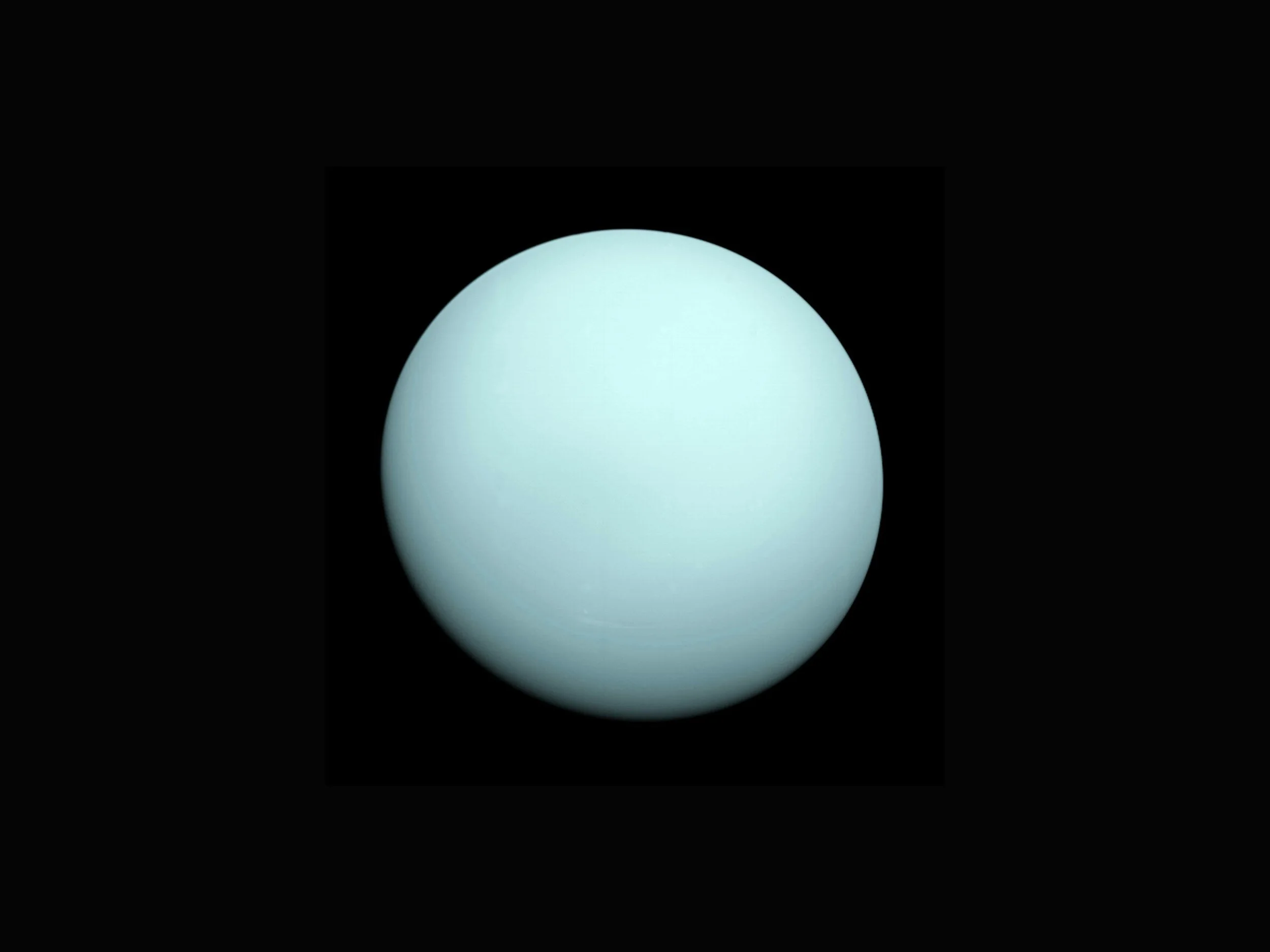
Uranus, Neptune, and Pluto are humanity’s most-distant colonies in the 22nd century, with semi-permanent scientific research installations being the only settlements.
Modern life is supported by a vast variety of robots, many of which go completely unnoticed. Life in space is no exception: robots preceded humans into space, and are as vital there today as they have ever been.
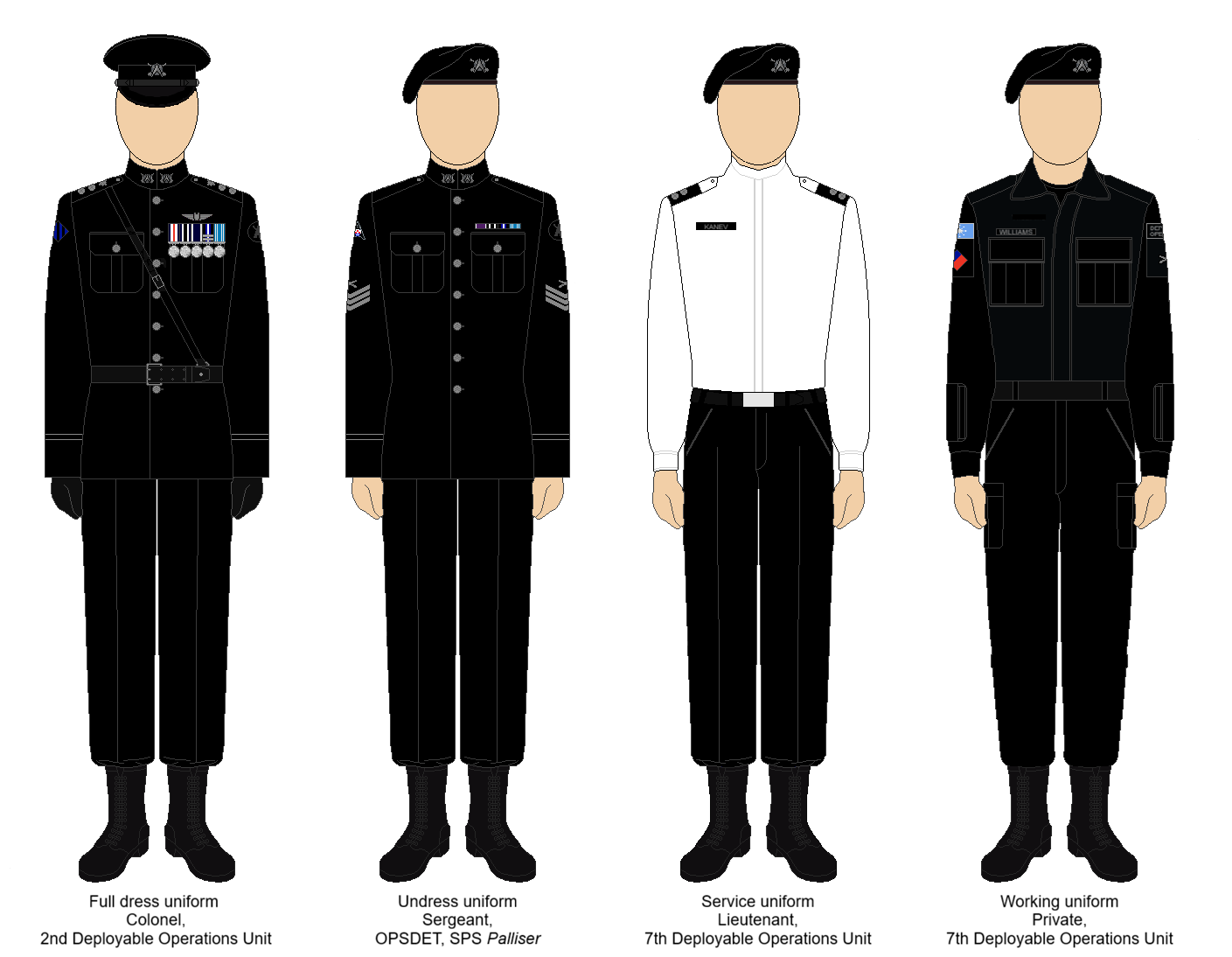
In contrast to the Space Patrol Service, the Deployable Operations Group disdains ornamentation in its uniforms. Operator uniforms are all-black with gunmetal grey buttons and insignia. The only concessions to colour are medal ribbons and unit insignia. All ranks wear a cloned wool, seven-button, stand collar jacket. The jacket’s buttons are marked with the crossed-rifles-and-delta insignia that was used by the Patrol Boarding Force that preceded the Deployable Operations Group, surmounted by eight Union Stars.
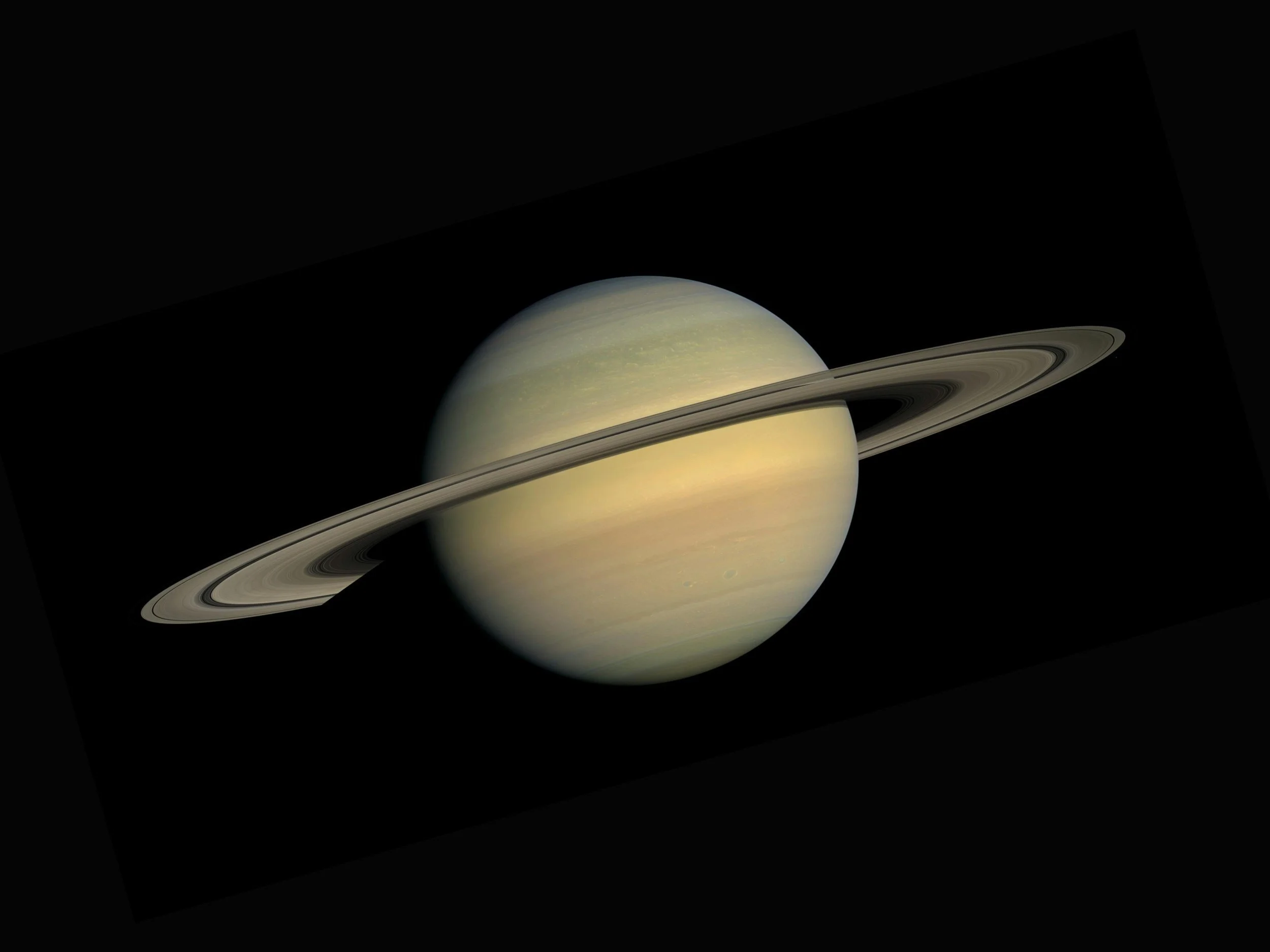
The ringed gas giant Saturn is the most promising colony site in the Outer Solar System. Both distance and budgetary concerns mean that Saturn has been visited only twice by manned expeditions, one of which is ongoing at time of writing. Nevertheless, their discoveries have encouraged the Union Government to approve the colonisation of the Solar System’s second-largest planet.
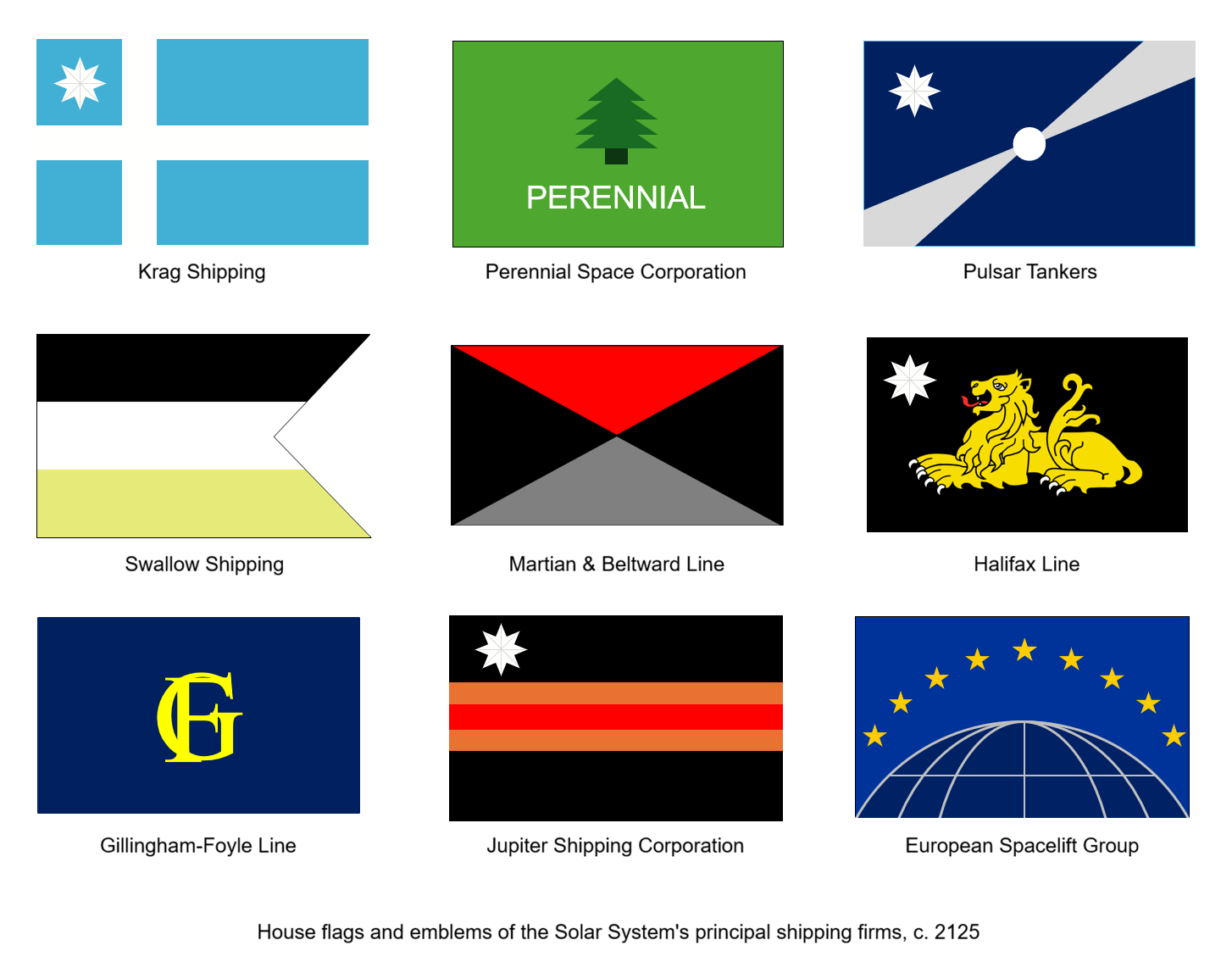
Tens of thousands of passengers and billions of tons of raw materials and finished goods are transported between Earth, the Asteroid Belt, and the colonies ever single year, almost all of them by a handful of shipping and spacelift corporations.
One of the World Union for Space Policy’s oldest institutions, the World Union Astrographic Service was founded in 2093 as a coordinating body for space exploration, and today is the Solar System’s largest scientific organisation. Many of the most important discoveries in recent history, including the colonisation of Jupiter and Saturn, the discovery of life on Europa, and the first human exploration of the Trans-Neptunian objects, have been by Astrographic Service ships and spacers.
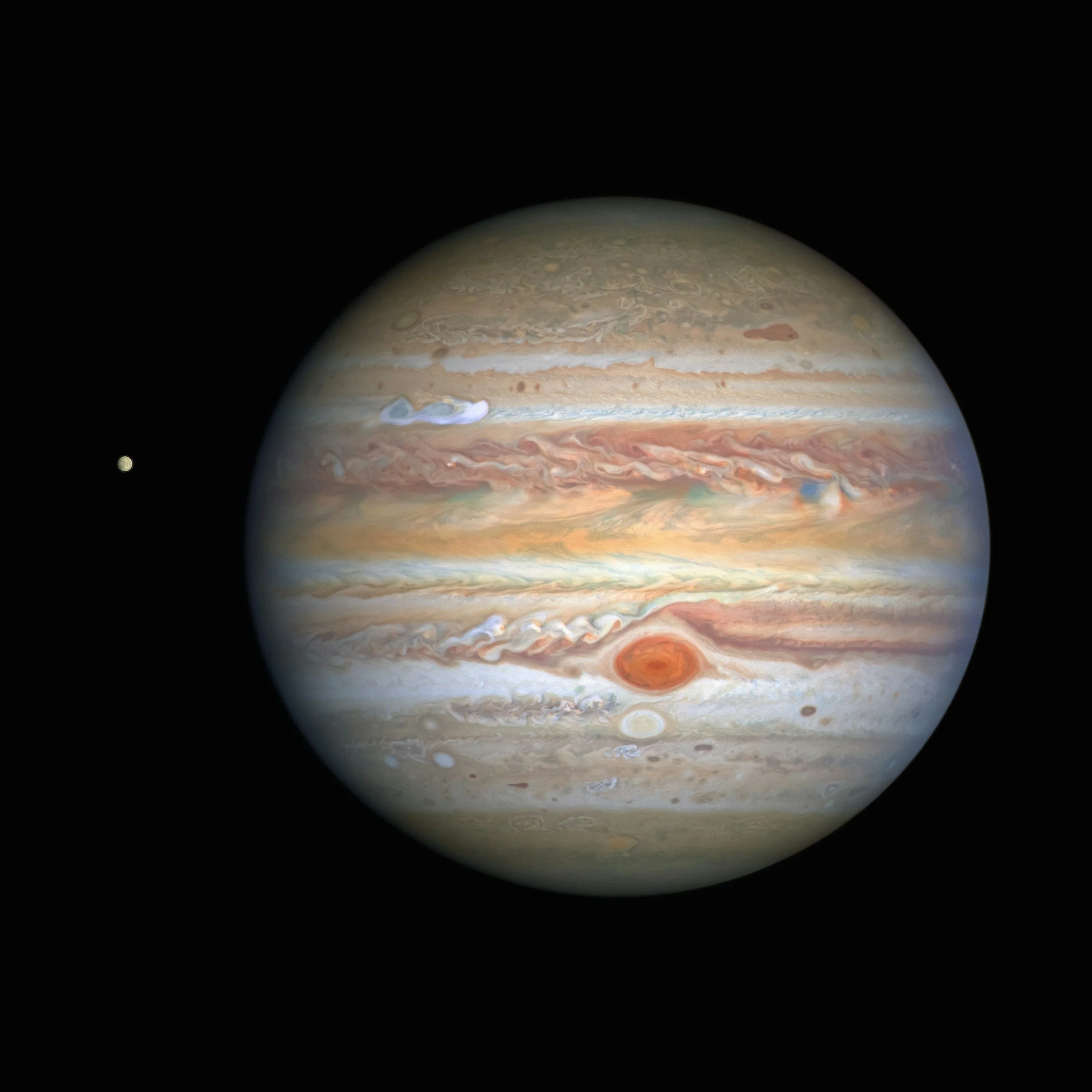
The gas giant Jupiter is the World Union’s most distant and most-recently-settled colony. The Galilean moons are rapidly industrialising thanks to the ready availability of energy and mineral resources on Io, and cruise lines such as Martian & Beltward, Halifax, and Gillingham-Foyle are already considering the possibilities of tourism to Jupiter’s cloud bands and Great Red Spot.

The Swallow Corporation is one of the largest and most influential businesses in the Solar System today. Swallow’s influence extends into virtually every sector of the economy, including shipping, robotics, medicine, internet provision, and colonisation services.
Even in the age of fusion, the old maxim that once you are halfway to orbit, you are halfway to anywhere holds true.
The Asteroid Belt is the economic engine of the Solar System, providing vast amounts of raw materials for the system’s inner planets. It is also its primary source of insecurity, being the home of a massive pirate movement for the past twenty years.
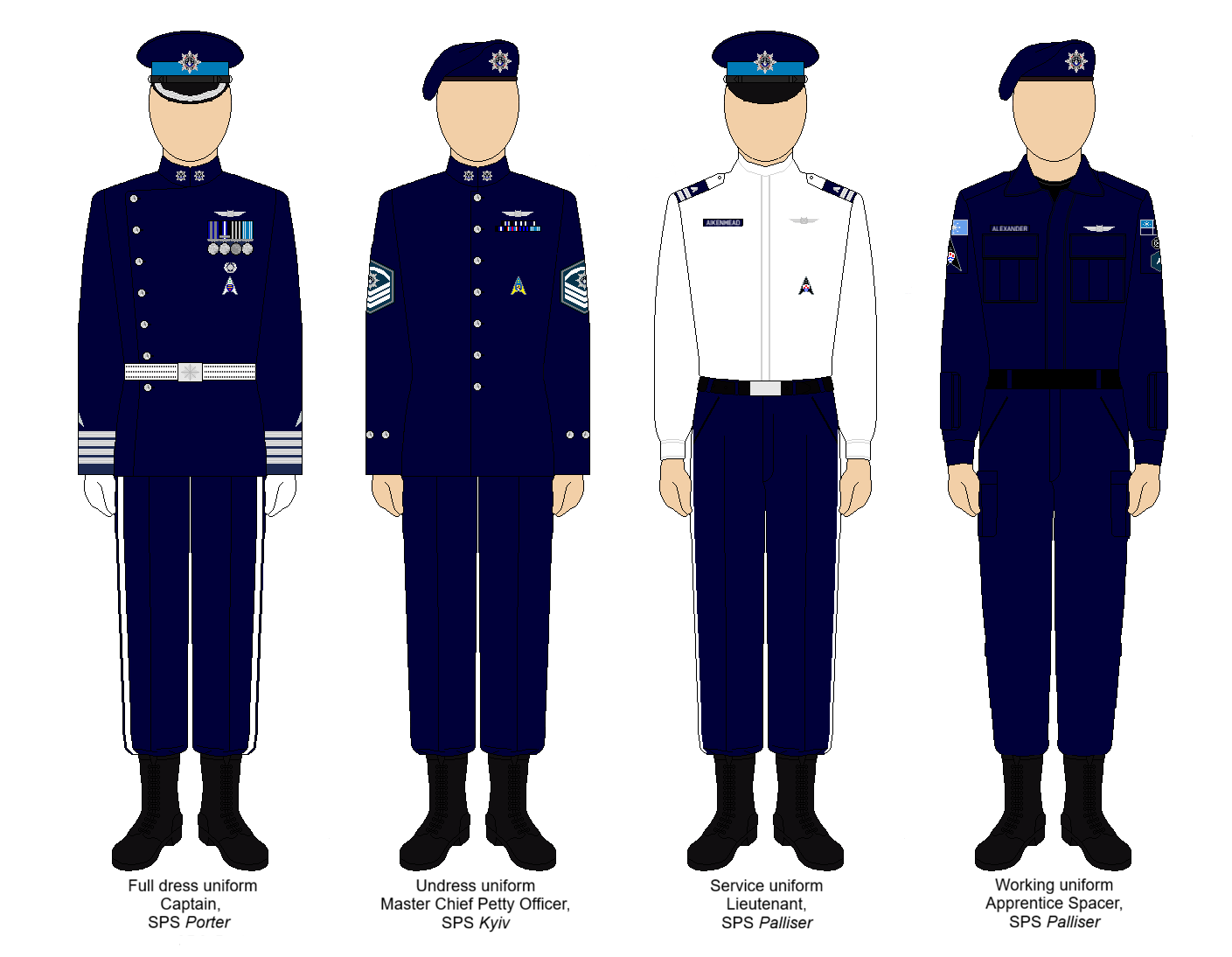
Space Patrol Service officers wear a dark blue (formally referred to as “spacer blue” in Patrol publications), stand collar jacket made from cloned wool. The jacket is closed with seven silver buttons on the right-hand side. Each button is marked with the Patrol’s delta emblem. Rank stripes are worn on the cuffs. Decorations are worn on the left breast, below the wearer’s branch badge. The ship or station badge is worn below the medals.
One of the “Big Three” passenger lines, Martian & Beltward Line (M&B) is operates large-scale passenger and cruise ships and is renowned for its high standard of customer service. Traditionally focused on Mars and the Asteroid Belt, the company has taken advantage of the opening of Jupiter and its moons to tourism with the purchase of three long-range Desideratum-class cruise liners
Nuclear fusion is the dominant form of power generation and propulsion in the 22nd century, producing vast amounts of non-polluting energy from astronomically-abundant fuel sources. A series of innovations in the late 21st century, including the discovery of room-temperature superconductivity, paved the way for the creation of the first viable fusion reactor, which in turn led to the flight of the first fusion torch engine spacecraft, the Prometheus, in 2093.
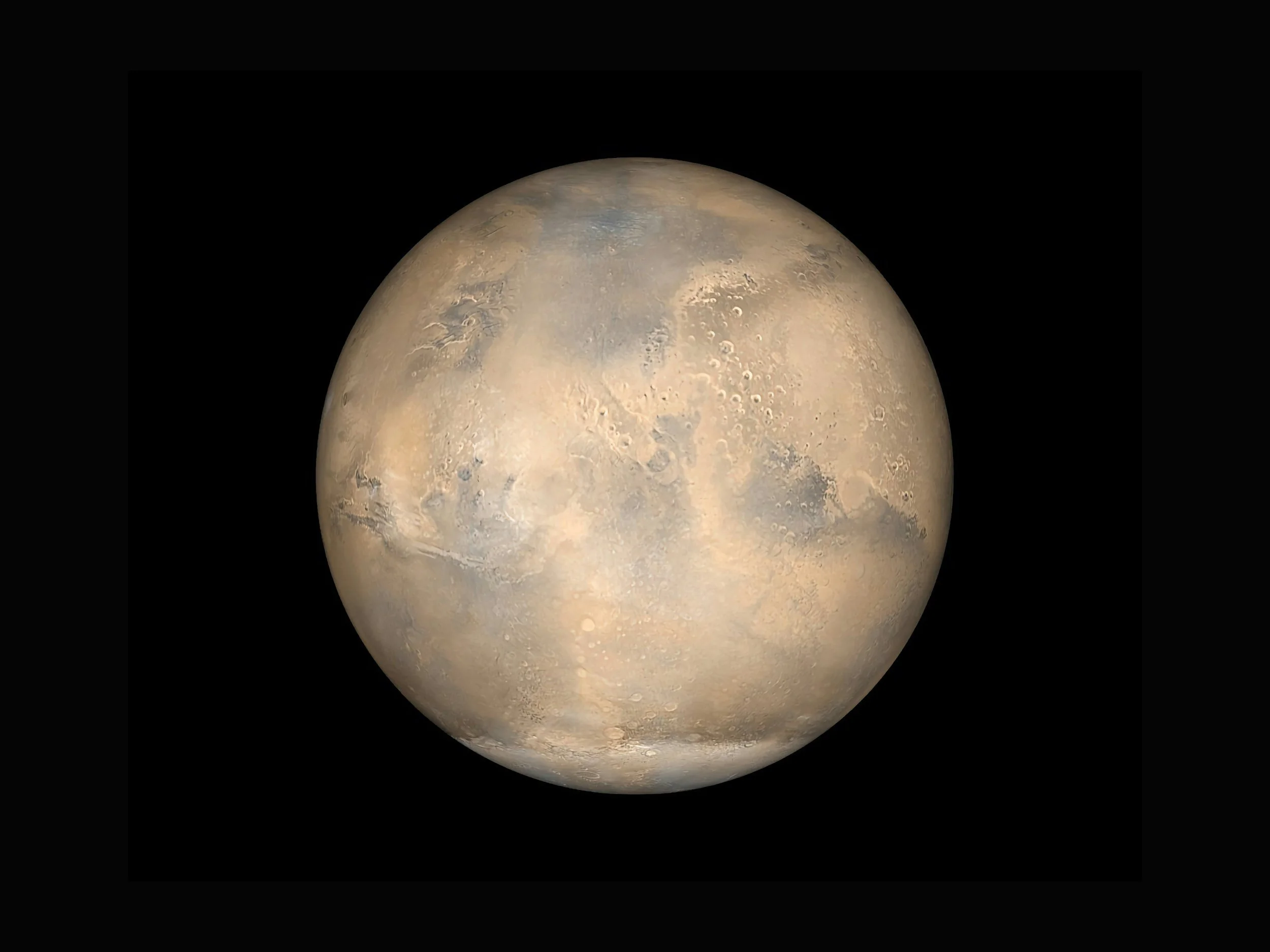
The Red Planet has not lived up to the aspirations of ages past: radiation and the toxic, perchlorate-rich soil make it unattractive for industrial development, while its relatively high gravity and thin atmosphere complicate both take off and landing. Big business has largely avoided Mars in favour of further developing Luna or staking claims in the Asteroid Belt.
The Deployable Operations Group is the World Union for Space Policy’s boarding and orbital landing force. Embarked aboard Space Patrol Service ships, the Deployable Operations Group is formally subordinate to the Patrol, but in practice is a co-equal service. The Deployable Operations Group today numbers 66,000 operators, organised into three divisions, and has earned a reputation for high physical fitness standards, gruelling training, and hard fighting.

The cradle of humanity, Earth is home to twelve billion people as of 2125. Earth has benefited immeasurably from space in the last thirty years. Cheap fusion power has ended reliance on fossil fuels, which only a century ago seemed poised to devastate Earth, while space mining has drastically lowered the price of raw materials on Earth. As a consequence, many states now operate generous programs of universal basic income, freeing most of their citizens from the need to ever work.
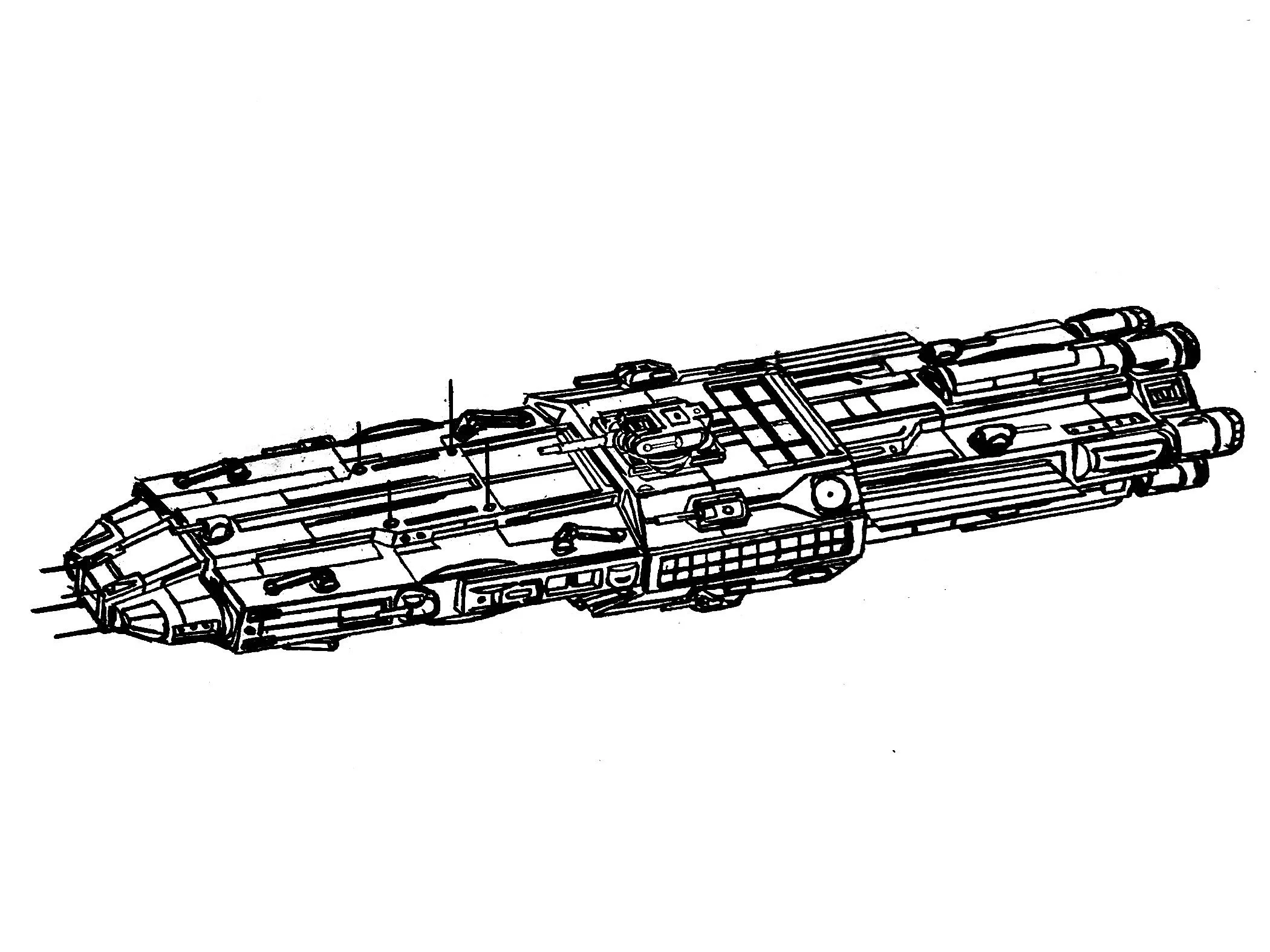
The Blackwood-class cutter is one of the most modern ships of the Space Patrol Service. Uncompromisingly designed for missile combat, it is today the Patrol’s most numerous large combatant.
The invention of the fusion torch engine in the late 20th century was perhaps the most important in human history: in 2093, the first fusion torch spacecraft, the Prometheus, flew to Mars in twenty-five days. In the thirty years since, the fusion torch engine has engendered the formation of the World Union for Space Policy, put the resources of the entire Inner Solar System within a month’s travel from Earth, and prompted unprecedent prosperity and peace.
The Space Patrol Service is the security, search and rescue, and law enforcement arm of the World Union for Space Policy. Formed in 2095 as a largely-unarmed policing and customs control service, the Space Patrol Service expanded significantly as commerce and colonisation extended to the Near-Earth Asteroids, Mars, and the Asteroid Belt.
The World Union for Space Policy was founded in the hope that humanity could cooperate peacefully in space and leave conflict behind on Earth. Unfortunately, political turmoil, economic inequality, and human nature soon motivated the first settlers in space to settle their differences through the use of weapons.