
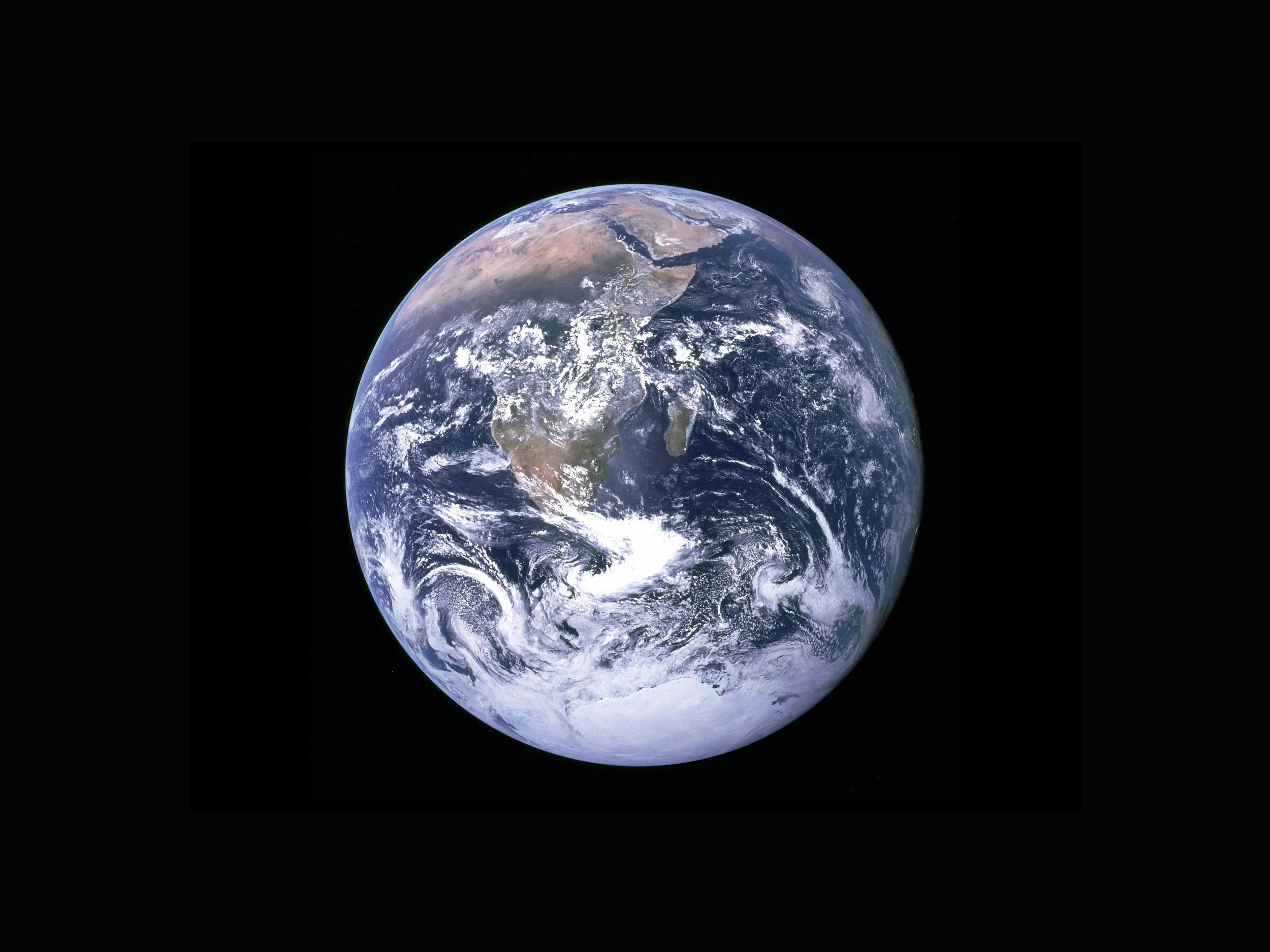
Earth
Orbital characteristics:
Distance from star: 150 million kilometres (1 astronomical unit)
Orbital period: 365.25 days
Natural satellites: 1 (Luna)
Space stations: >30
Physical characteristics:
Type: Temperate terrestrial oceanic planet
Mass: 1 Earth mass
Radius: 6,378 kilometres (1 Earth radius)
Average temperature: 290 K (16.85 °C)
Habitability: Complex life-sustaining, human habitable
Societal:
Population: >12 billion
Capital: Geneva Complex (seat of World Union)
The cradle of humanity, Earth is home to twelve billion people as of 2125. Earth has benefited immeasurably from space in the last thirty years. Cheap fusion power has ended reliance on fossil fuels, which only a century ago seemed poised to devastate Earth, while space mining has drastically lowered the price of raw materials on Earth. As a consequence, many states now operate generous programs of universal basic income, freeing most of their citizens from the need to ever work.
While nation-states still exist, the vast majority of Earth’s nations have agreed to operate under the auspices of the World Union for Space Policy, a supranational organisation responsible for regulating and policing space commerce. The World Union for Space Policy’s administrative centre is the Geneva Complex, a large expanse of land gifted by the Swiss Government in 2096 that is the seat of the Union Government, Parliamentary Assembly and Council, and Courts of Justice. Space-based supply chains have become indispensable to virtually every sector of Earth’s economy: the immense cargo handling ports of Guiana, Kourou, Kinshasa, Mombasa, Balikpapan, and Wenchang receive hundreds of thousands of tons of space-mined and -manufactured cargoes every day, and their surrounding cities are today Earth’s fastest-growing population centres. The expansion of the space-based economy has been mirrored by an expansion in the World Union for Space Policy’s political power, much faster than its creators and original signatories ever envisioned.
Earth is orbited by dozens of space stations and an uncountable number of satellites, including cargo handling stations, passenger transfer stations, orbital propellant depots, Space Patrol Service bases, and shipyards. The largest of these are the Gozalbez Shipyards, source of forty percent of the Solar System’s shipping.
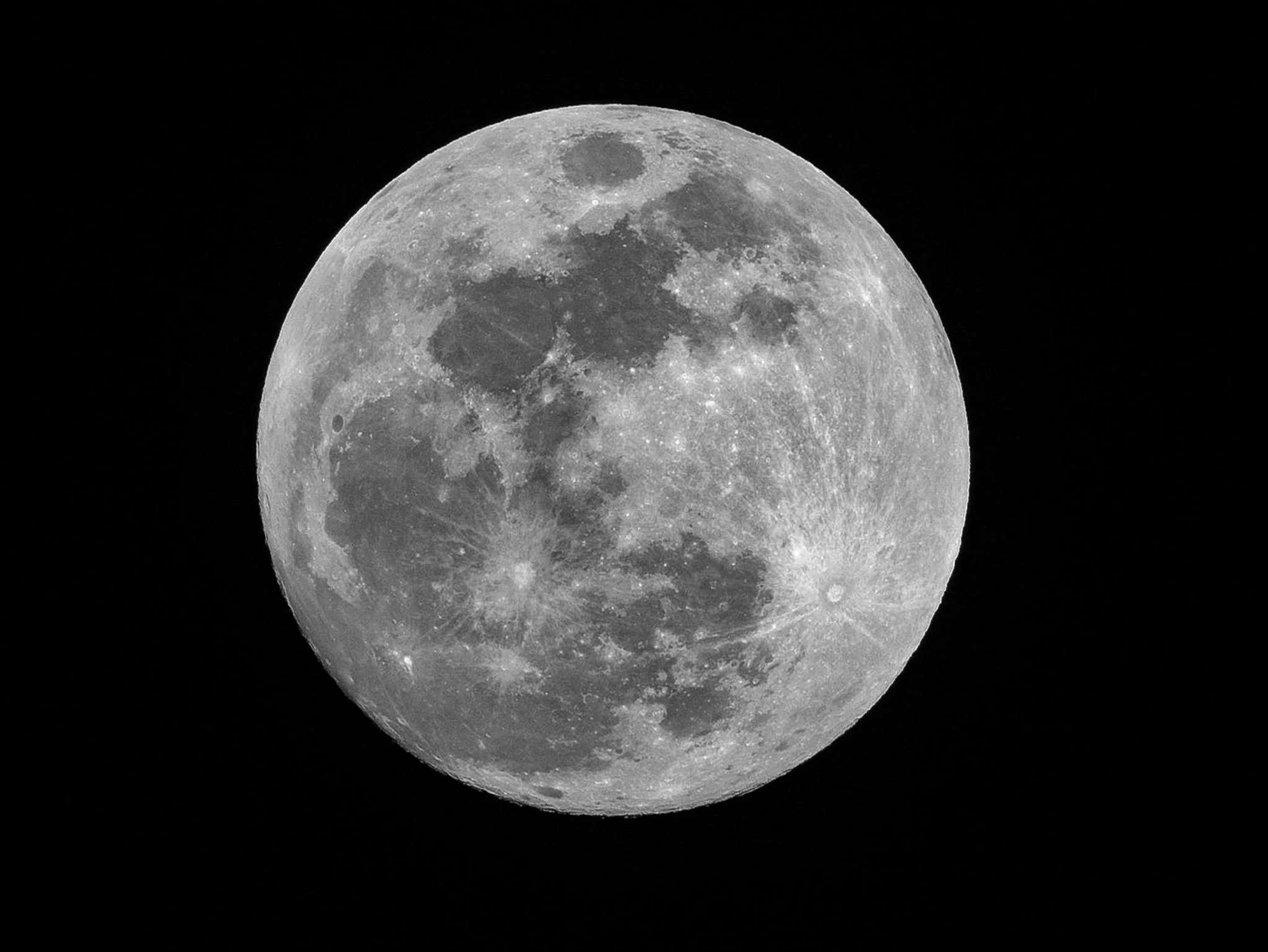
Luna
Orbital characteristics:
Distance from primary: 384,399 kilometres
Orbital period: 29.5 days
Space stations: 12
Physical characteristics:
Type: Cool rocky airless moon
Mass: 0.0123 Earth masses (1 Lunar mass)
Radius: 1,738.1 kilometres (0.2731 Earth radii)
Average temperature: 250 K (-23.15 °C)
Habitability: Uninhabitable
Societal:
Colonised: 20 July 2094 (mass colonisation, semi-permanent human presence since 2030s)
Population: 6 million
Capital: Lalande Habitat
Home to six million people, Luna was the World Union for Space Policy’s first offworld colony and today is humanity’s largest settlement off Earth. Unique among the colonies, Luna has an established population of second-generation children who were born on the moon. Despite the low lunar gravity and radiation hazards, careful forward planning by the Lunar Administration has ensured that the children are growing up healthy and can, with acclimatisation, live in Earth gravity. This long-term experiment is being closely monitored to provide models for life on Mars and Ceres.
Luna is a booming industrial region: rich reserves of titanium, aluminium, thorium, and rare earth elements mined from the Oceanus Procellarum and Mare Imbrium feed factory facilities that produce finished and semi-finished goods for Earth. Luna’s low gravity means that returning bulk cargoes to orbit is cheap, and launch prices are reduced even further given that metal-oxygen rocket fuels can be produced with relative ease from the regolith. Water extracted from Lunar ice is Earth’s main source of fusion fuels and other propellants.
Luna is orbited by twelve space stations that support industrial development on the surface, and Earth-based shipbuilding companies are increasingly moving their facilities to Luna to reduce production costs. Tourism is also a major part of Luna’s economy: Tranquillity Base, the site of the first manned landing in 1969, is the most popular tourist destination off Earth, and while the site itself is a protected historical monument, it is served by seven separate hotel complexes that ring the landing site at a distance of ten kilometres.