
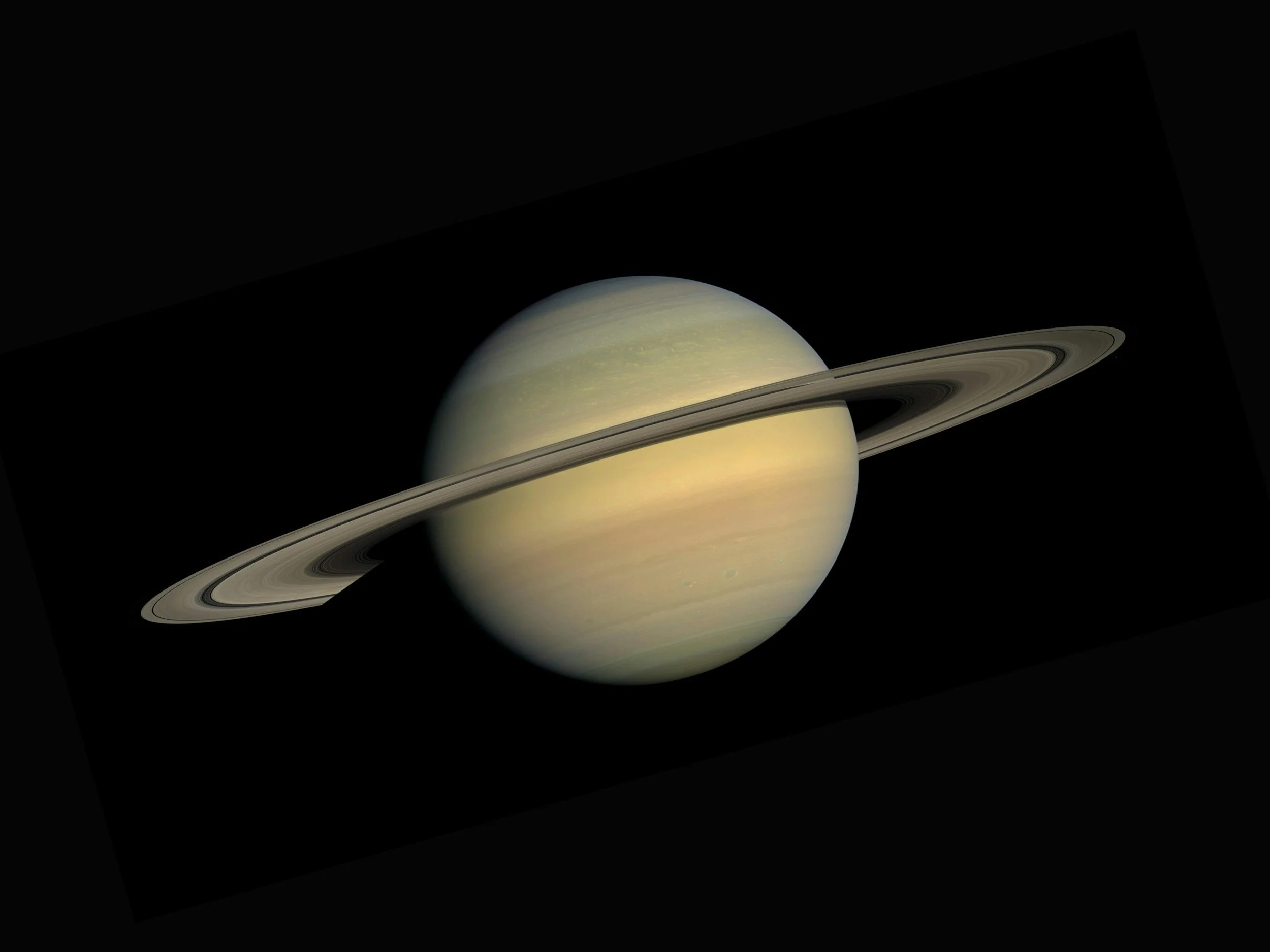
The Solar System: Saturn and its moons
The ringed gas giant Saturn is the most promising colony site in the Outer Solar System. Both distance and budgetary concerns mean that Saturn has been visited only twice by manned expeditions, one of which is ongoing at time of writing. Nevertheless, their discoveries have encouraged the Union Government to approve the colonisation of the Solar System’s second-largest planet.
The Solar System: Jupiter and its moons
The gas giant Jupiter is the World Union’s most distant and most-recently-settled colony. The Galilean moons are rapidly industrialising thanks to the ready availability of energy and mineral resources on Io, and cruise lines such as Martian & Beltward, Halifax, and Gillingham-Foyle are already considering the possibilities of tourism to Jupiter’s cloud bands and Great Red Spot.
Ceres and the Asteroid Belt
The Asteroid Belt is the economic engine of the Solar System, providing vast amounts of raw materials for the system’s inner planets. It is also its primary source of insecurity, being the home of a massive pirate movement for the past twenty years.
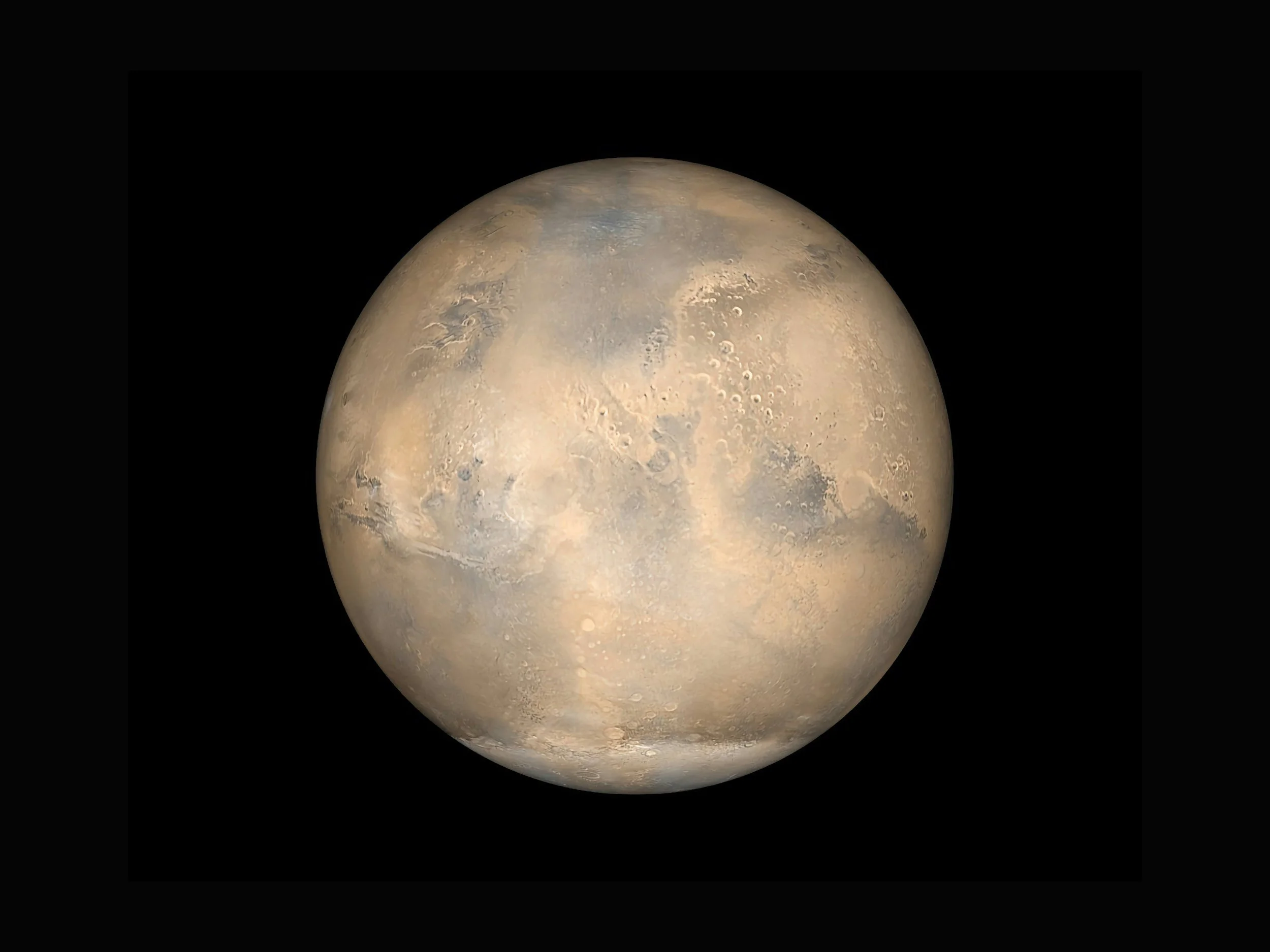
The Solar System: Mars, Phobos, and Deimos
The Red Planet has not lived up to the aspirations of ages past: radiation and the toxic, perchlorate-rich soil make it unattractive for industrial development, while its relatively high gravity and thin atmosphere complicate both take off and landing. Big business has largely avoided Mars in favour of further developing Luna or staking claims in the Asteroid Belt.
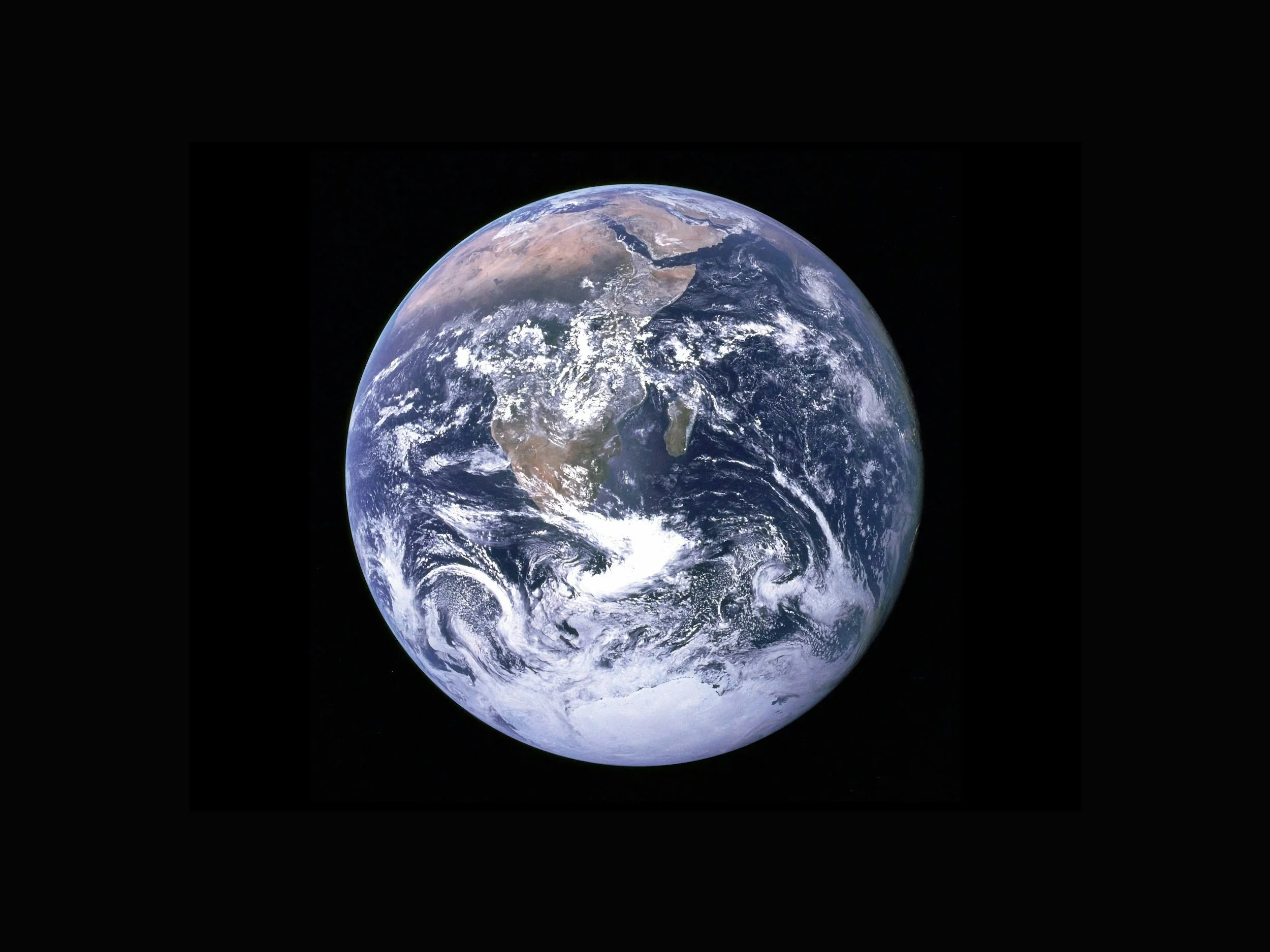
The Solar System: Earth and Luna
The cradle of humanity, Earth is home to twelve billion people as of 2125. Earth has benefited immeasurably from space in the last thirty years. Cheap fusion power has ended reliance on fossil fuels, which only a century ago seemed poised to devastate Earth, while space mining has drastically lowered the price of raw materials on Earth. As a consequence, many states now operate generous programs of universal basic income, freeing most of their citizens from the need to ever work.
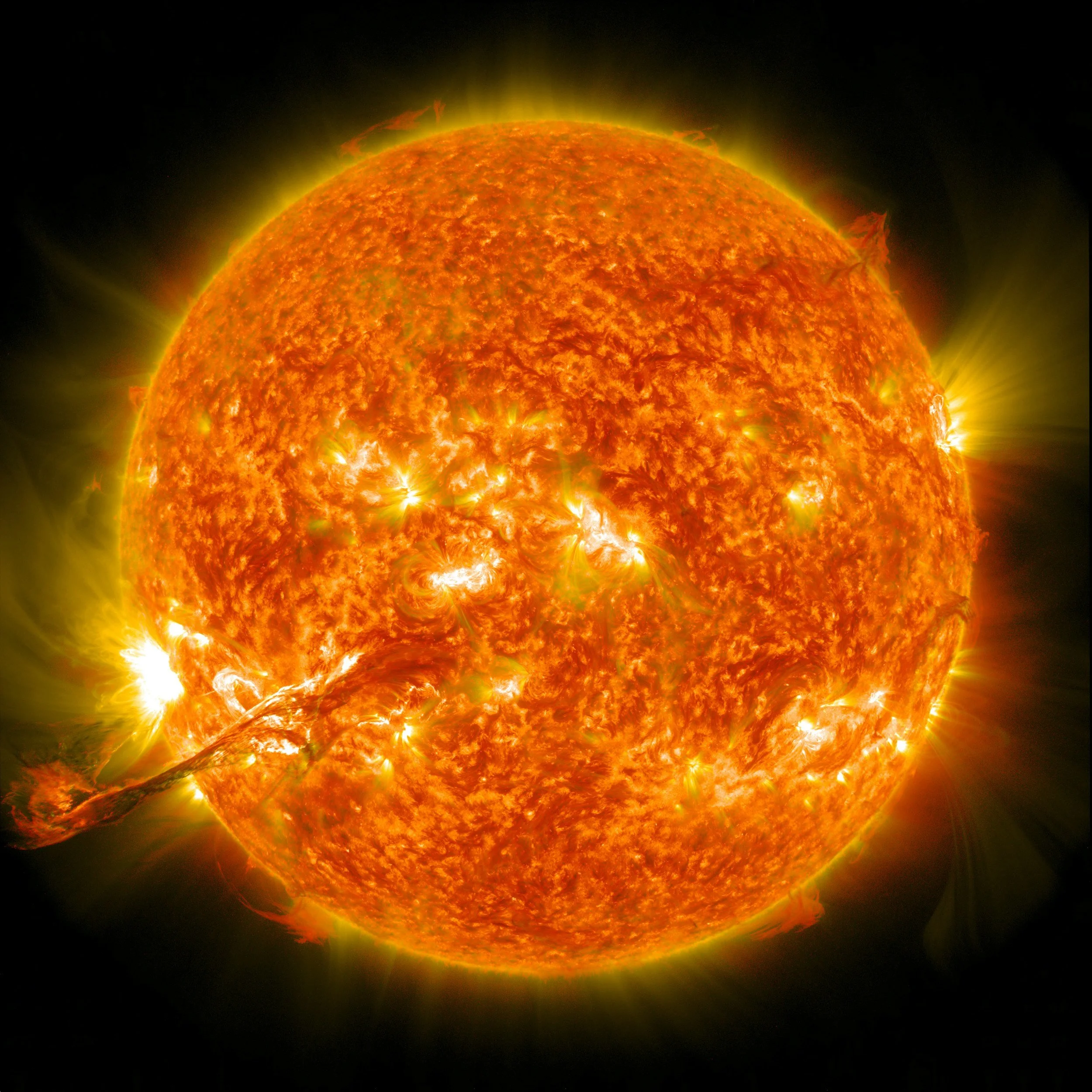
The Solar System: Sol, Mercury, and Venus
Formed 4.6 billion years ago by the gravitational collapse of an immense cloud of gas and dust, the Solar System consists of eight planets, nine dwarf planets, and millions of asteroids and comets orbiting around the Sun. It has been extensively colonised since the development of viable fusion torch propulsion in 2093 under the aegis of the World Union for Space Policy. While the vast majority of the human population remains concentrated on Earth, as of 2125 extensive colonies have been established on Luna, Mars, and Ceres. The Asteroid Belt has become the economic engine of the Solar System, providing vast amounts of raw materials for the system’s inner planets. Nascent colonies exist on the moons of Jupiter, and Saturn is expected to be colonised in the next five years to support further expansion into the Outer Solar System.